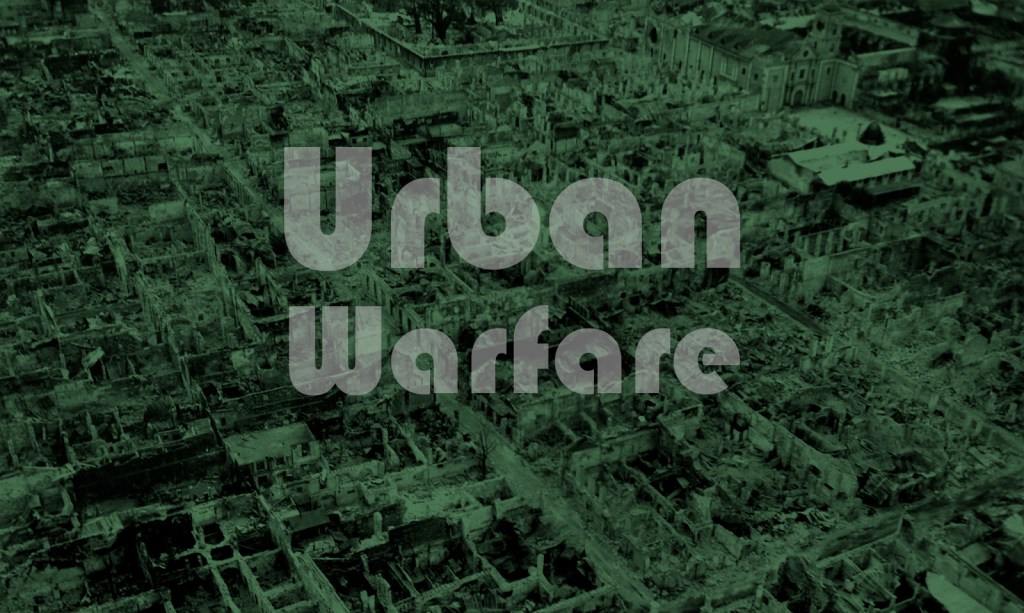
When a military unit engages in Close Quarter Combat (CQC), it typically involves specialized teams or units trained extensively for operations in confined and densely populated environments. These teams are often part of special operations forces (SOF) or specialized units within conventional forces trained in urban warfare and room-clearing tactics. The composition and main tasks of these teams can vary depending on the mission’s objectives, the operational environment, and the unit’s organizational structure.
Assault Teams
These are the frontline operatives who directly engage the enemy. Their tasks include entering and clearing rooms, securing hostages, neutralizing threats, and capturing or eliminating high-value targets. Assault teams are trained to breach doors and other entry points, use a variety of weapons effectively in close quarters, and quickly make tactical decisions to adapt to the rapidly changing situations characteristic of CQC environments.
Support Teams
Support teams provide critical assistance to assault teams, including covering fire, securing perimeter areas, and ensuring escape routes remain open and safe for extraction. They may also deploy smoke, flashbangs, or other non-lethal munitions to disorient adversaries, providing assault teams with tactical advantages.
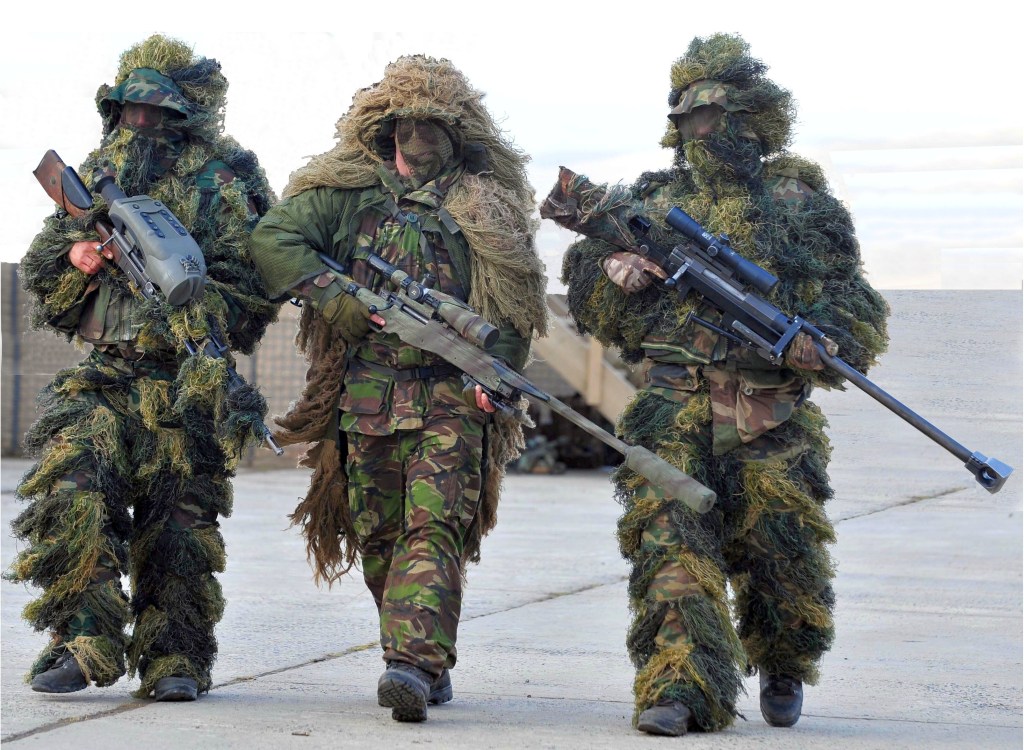
Sniper/Overwatch Teams
Sniper teams are positioned to offer long-range support and surveillance. In the context of CQC, they may be tasked with providing overwatch for entering and exiting buildings, neutralizing external threats, and offering real-time intelligence on enemy movements. Their ability to engage targets from a distance can be crucial in preventing adversaries from reinforcing or escaping the engagement area.
Breaching Teams
Specialized in gaining entry into fortified positions or buildings, breaching teams use a variety of tools and techniques, including explosive, mechanical, and ballistic breaching methods. Their main task is to create entry points for assault teams, often under fire, ensuring rapid access to the objective area.
Medical Teams
Also known as combat medics, these individuals are trained to provide immediate medical care in combat situations. Their presence is critical in CQC environments, where casualties may occur, and the need for rapid medical intervention is high. They stabilize injured personnel, perform life-saving measures, and prepare casualties for evacuation to higher-level medical facilities.
The concept of providing medical care to wounded soldiers dates back to ancient times, but the formalized role of a combat medic as we understand it today began to take shape at the Napoleonic Wars (early 19th century).
Intelligence and Reconnaissance Teams
These teams are responsible for gathering and analyzing intelligence on the target area, enemy forces, and civilian considerations. Prior to an operation, they may conduct surveillance or reconnaissance missions to identify entry points, enemy positions, and potential hazards. During the operation, they continue to provide real-time intelligence to command elements, assisting in tactical decision-making.
Command and Control Resources
These individuals oversee the operation, making strategic decisions based on the information provided by all elements involved. They coordinate the movements of different teams, manage communication between units, and adjust tactics as the situation evolves.
The effectiveness of a military unit in CQC depends on the seamless integration of specialized teams, each performing its distinct yet interdependent tasks. The coordination, communication, and proficiency of each member in their respective roles are critical to the success of close-quarter engagements.





 Battleground Archives

Leave a comment