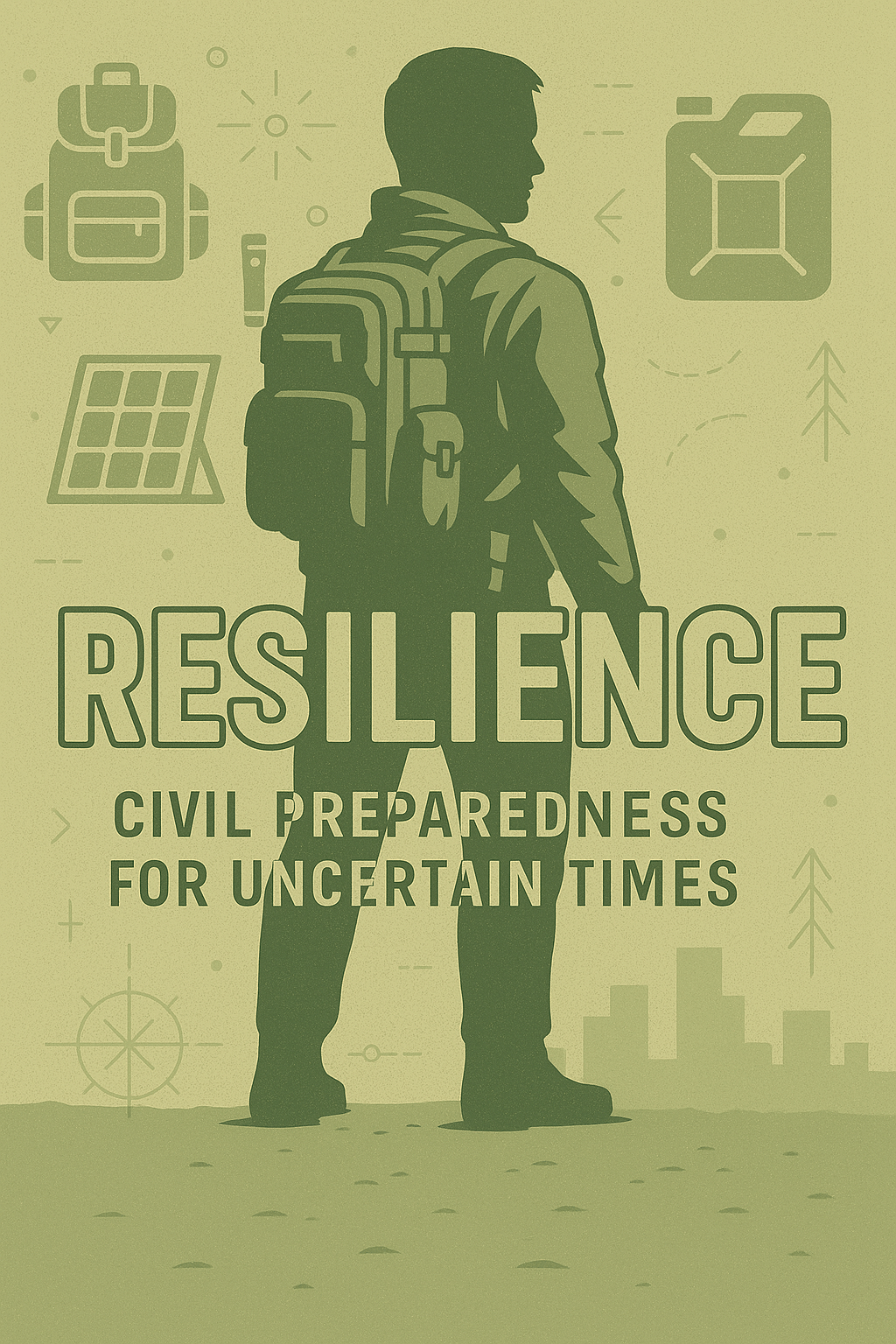
In this post, we dive straight into the core question: What exactly is prepping – and why are so many people talking about it right now?
Prepping – Just Common Sense
The word prepping comes from the English word prepare. And that’s exactly what it’s about: being ready when something unexpected happens. Unfortunately, prepping has gotten a bit of a reputation for being extreme. Many people think of bunkers, gas masks, and folks in camouflage gear.
But the reality is very different.
Prepping is much more down-to-earth: it’s about being able to take care of yourself and your loved ones when society isn’t working as it normally does. If the power goes out. If the water stops running. If a storm makes it impossible to leave the house.
It’s no stranger than having a spare tire in the car or carrying an umbrella in your bag.
Why More People Are Prepping Today
Recent years have taught us a lot about vulnerability. We remember the empty store shelves during the pandemic, power outages after storms, wildfires, and snow chaos. The war in Ukraine reminds us that crises aren’t always “somewhere else.”
Electricity prices, inflation, and cyber threats have made many people start asking: If this happens again – how can I be more prepared?
For many, it’s been a wake-up call. Prepping has gone from being something fringe to something logical – almost necessary.
Common Myths About Prepping
There are still a lot of misconceptions about prepping. Here are a few common ones – and why they’re not true:
- “Prepping is for doomsday preachers.”
Not at all. It’s not about fear – it’s about security. It’s about taking responsibility instead of assuming someone else will always solve things for you. - “I don’t need to prep – I live in the city.”
But if the power goes out, store registers don’t work. If public transport shuts down, you might not even get to the store. - “It’s expensive and complicated.”
Nope. You likely already have many of the essentials at home. It’s just about thinking ahead – and filling in the gaps.
What Should You Be Prepared For?
You don’t have to think about the end of the world. Here are a few very realistic scenarios:
- Extended power outages after storms or ice
- Water shutoffs due to pipe damage
- Mobile networks and internet going down
- Cyberattacks that disrupt infrastructure
- Another pandemic
And it doesn’t have to be a national crisis. A snowstorm keeping you home for three days might be enough. The question is: Do you have what you need to manage?
How to Start – Step by Step
Prepping doesn’t mean building a bunker. It’s about small, practical steps:
- Do you have light if the power goes out?
- Do you have drinking water if the tap runs dry?
- Do you have food for a few days if you can’t go shopping?
Start by taking a “crisis inventory” at home. Ask yourself: What would I need to manage for 72 hours without power, water, or stores?
Summary
Prepping isn’t extreme – it’s just common sense. It’s about building a safety buffer, not living in fear. There’s a saying I like:
“Better to have and not need – than to need and not have.”





 Battleground Archives
Leave a comment