Several scholars and experts have contributed to the study of urban warfare, examining its complexities, challenges, and evolving nature. Some notable individuals in the field, each offering unique insights into military tactics, urban conflict, and its broader implications:
David Kilcullen, with expertise in counterinsurgency, urban warfare, irregular warfare. He has written extensively on urban insurgencies and the challenges of warfare in dense population centers. His books, such as Out of the Mountains: The Coming Age of the Urban Guerrilla, explore the future of conflict in rapidly urbanizing environments.
Seth G. Jones, focus on counterterrorism, insurgency, and urban combat. Jones has written on the intersection of terrorism, insurgencies, and urban environments, focusing on how non-state actors exploit cities. He has authored works like In the Graveyard of Empires: America’s War in Afghanistan.
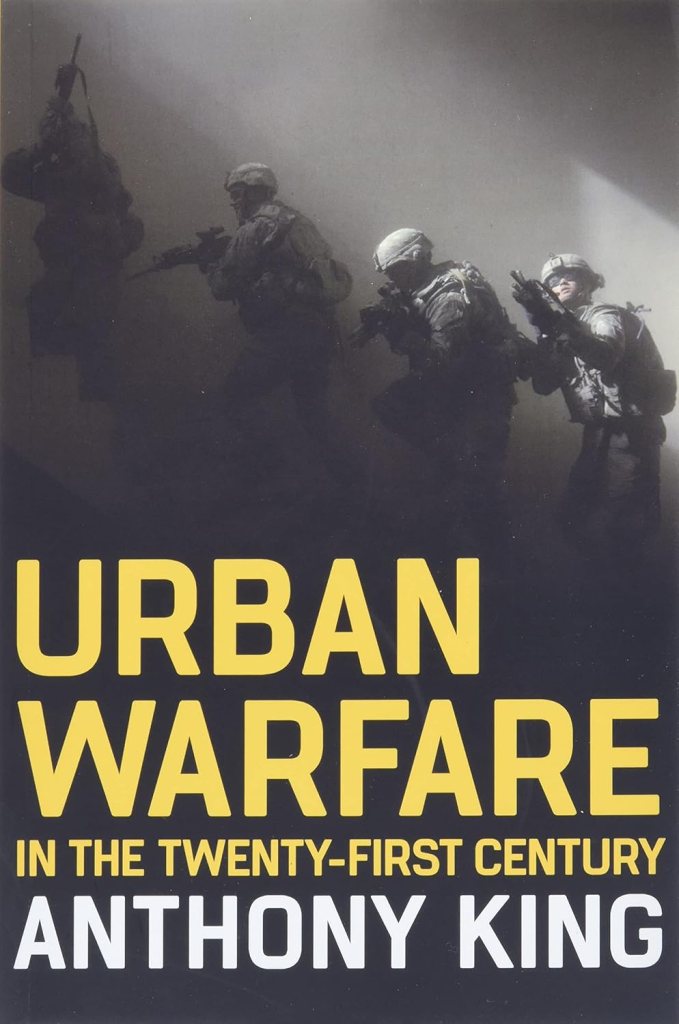
Anthony King, an expert in military sociology, urban warfare, small-unit tactics. As a professor of war studies, King has written extensively on the social dynamics of military units in urban settings. His book Urban Warfare in the Twenty-First Century dives into how modern military forces adapt to urban conflict environments.
Michael Evans, is an expert strategic studies, urban warfare, and military history. Evans has written extensively on urban warfare’s evolving role in military strategy. His research emphasizes how city combat differs from traditional forms of warfare.
Alice Hills expertise is urban security, policing in urban conflict zones. Hills’ research focuses on the relationship between cities, security forces, and urban warfare, particularly in fragile and conflict-prone states. Her book Policing Post-Conflict Cities provides an interesting view on urban warfare’s policing and security aspects.
Russell W. Glenn research in military operations in urban environments, counterterrorism. Glenn has conducted research on the challenges faced by military forces in urban warfare, particularly looking at how cities create distinct obstacles for combat forces. His works include Rethinking Urban Warfare.
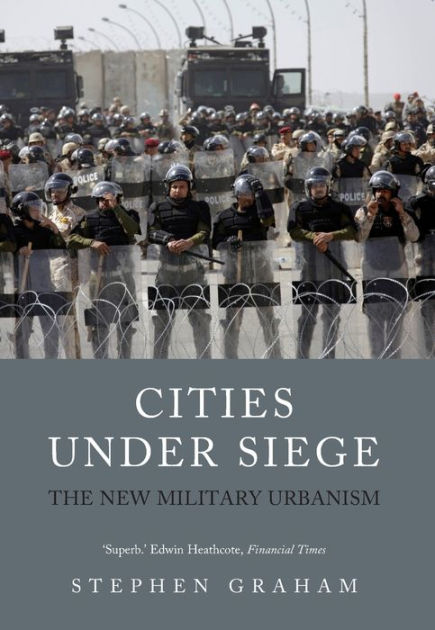
Stephen Graham expertice is geography, urban studies, militarization of cities. His book Cities Under Siege: The New Military Urbanism explores how cities have become battlefields and how military tactics have increasingly shaped urban planning and architecture.
Sharon Weill study international law, urban warfare, and its legal implications. Weill focuses on the legal aspects of urban warfare, including civilian protection and the application of international humanitarian law in urban settings. She has authored articles on the laws of war and how it applies to modern urban conflicts.
Christopher Holshek’s research is centered on the interaction between military forces and civilians in cities during conflicts and peacekeeping operations.
These scholars offer a range of perspectives on urban warfare, from military tactics and counterinsurgency to the ethical, legal, and societal impacts of conducting warfare in cities.
John Spencer
Another person, John Spencer, while not unique, still stands out among many scholars of urban warefare due to his combination of practical military experience and strategic research. Spencer is a recognized expert in urban warfare, military tactics, and modern conflict, working closely with the US government and the US Army. He has served in the US Army for over two decades and is currently associated with West Point, where he contributes to the study of military strategy and urban conflict. He is known for his in-depth analysis of how warfare changes in densely populated urban environments.
Practical Experience vs. Academic Focus
Unlike many scholars who come from more academic or think-tank backgrounds, Spencer’s long military service, including combat deployments, gives him a uniquely pragmatic, hands-on perspective. His advice, like in the Mini-Manual for the Urban Defender, is geared toward both soldiers and civilians who may face urban combat situations.
Scholars like Kilcullen or Glenn also have military or policy backgrounds, but they tend to approach the subject with broader strategic or counterinsergency frameworks, often addressing state-level concerns. In comparison, Spencer’s approach is more operational and tactical, with a focus on immediate, practical guidance for those engaged in urban warfare.
Focus on Defense vs. Strategic Studies
Spencer emphasizes defensive tactics, especially for cities under siege or occupation. His work is very much oriented toward those who are defending urban areas, as seen in his Mini-Manual, which gives direct instructions for defending urban terrain.
King and Evans, by contrast, focus on the strategic implications of urban warfare on modern militaries and national security, with broader theories about how urban combat shapes military doctrine. Spencer is more focused on the nuts-and-bolts of surviving and fighting in cities.
Emphasis on Civilian Involvement
Spencer stresses the role of civilians in urban defense, highlighting how they can be both contributors to urban resistance and essential figures to protect during conflicts. His advice is often geared toward non-military defenders or smaller militias in the context of larger-scale warfare.
Scholars like Hill and Weill take a more societal and legal perspective, focusing on the interactions between military forces and civilians, as well as the ethical and legal challenges in urban combat. Spencer’s approach is more grounded in practical guidande rather than legal frameworks or long-term societal impacts.
Urban Infrastructure and Terrain
In this area, Spencer zeroes in on using the urban terrain to a defender’s advantage, such as repurposing buildings for fortifications and exploiting the city’s layout to slow or confuse more powerful adversaries. His work is very tactically specific, focusing on how to operate in the urban environment at a granular level.
Scholars like Graham also focus on the relationship between warfare and urban infrastructure, but approach it from a more theoretical or architectural standpoiont. Graham explores how cities are militarized and controlled in Cities Under Siege. Spencer’s focus is more practical and military-specific.
Modern, Future-Oriented Focus
Spencer’s work is highly relevant to modern-day conflicts and future war scenarios. His manual and writings are designed to deal with the realities of 21st-century urban warfare, such as asymmetric warfare, where defenders face larger and better-equipped forces in city settings.
While Kilcullen also deals with future urban warfare (especially the rise of megacities and non-state actors), Spencer’s focus is narrower, concentrating specifically on urban defenders and tactics rather than broader trends in global insurgency or counterterrorism.
John Spencer’s combination of military experience and tactical focuson urban defense sets him apart from others who may take broader or more theoretical approaches to urban warfare.
Mini-Manual for the Urban Defender
The Mini-Manual for the Urban Defender that Spencer wrote is aimed at providing defense strategies for military forces and civilians facing urban conflict.
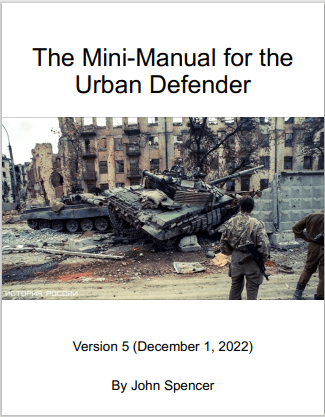
This manual is intended to guide those involved in defending cities, whether they are professional soldiers or local militias. It offers practical guidance on how to resist and survive against a larger and more powerful military force within an urban setting. Some of the key aspects of his manual:
Urban Terrain as an Advantage: Spencer emphasizes using the complexities of the urban landscape—buildings, streets, infrastructure—to the defender’s advantage. The manual discusses how defenders can exploit the difficulty of navigating and fighting in cities.
Civilian Involvement: The manual considers the role of civilians in urban defense, including how they can contribute to the defense efforts or be protected during a conflict.
Small Unit Tactics: Spencer focuses on small, decentralized units that can defend strategic points, disrupt the movement of invaders, and conduct ambushes.
Psychological and Information Warfare: He explores how to use media, social networks, and local communities to build morale, gain support, and undermine the enemy.
Defensive Fortifications: Practical advice is given on creating makeshift fortifications, using available resources, and repurposing civilian structures for defense.
John Spencer has become a highly regarded figure in military thought on urban warfare, and his manual serves as a tool not only for military professionals but also for civilians and organizations that might find themselves defending against occupation or invasion. He regularly contributes to discussions about future warfare, especially the increasing likelihood of conflicts taking place in cities as urbanization continues globally.
Read more in his manual at johnspenceronline.com, Mini-Manual for Urban Defenders.




 Battleground Archives
Leave a comment