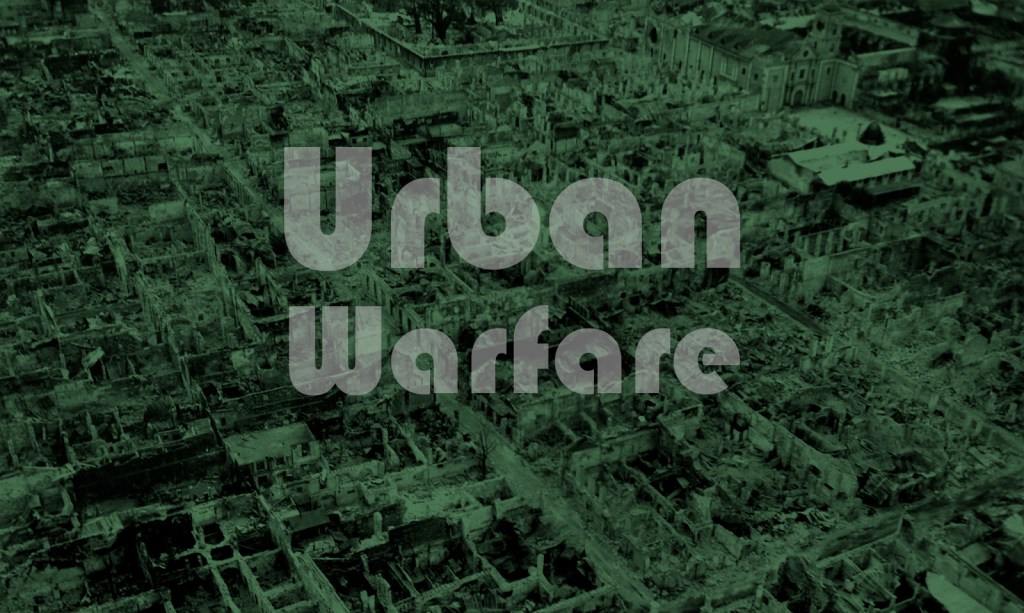
The Battle of Manila, fought from February 3 to March 3, 1945, was an engagement during World War II that marked the liberation of the Philippine capital from Japanese occupation. This battle was part of the broader campaign in the Philippines led by the Allied forces, specifically the United States, to expel Japanese troops and restore control over the archipelago.
In the early stages of World War II, the Japanese Imperial Army had seized the Philippines from American and Filipino forces in 1942. The subsequent occupation brought significant suffering to the local population, including brutalities and widespread destruction. By late 1944, following the naval battle of Leyte Gulf and invasion of Leyte, General Douglas MacArthur, who had famously vowed “I came through and I shall return” after his retreat from the Philippines in 1942, began to prepare for the final push to liberate the Philippines.
General Douglas MacArthur was an American military leader renowned for his role in the Pacific Theater during World War II. He famously vowed "I shall return" after retreating from the Philippines in 1942 and fulfilled this promise by leading the liberation of the archipelago in 1945. MacArthur's post-war influence extended into Japanese reconstruction and the Korean War, where he played a role before his controversial dismissal by President Truman.
The battle began in earnest on February 3, 1945, when American forces, primarily the 1st Cavalry Division and the 37th Infantry Division, launched a coordinated assault to retake Manila. The Japanese defenders, commanded by General Tomoyuki Yamashita, were determined to make a final stand in the city. They had fortified Manila and prepared for an intense urban battle, setting up strong defensive positions and laying traps for the advancing Allied forces.
General Tomoyuki Yamashita, born in 1885 in Japan, graduated from the Imperial Japanese Army Academy in 1905. Before World War II, he served in China, Germany, Korea and more. His major prominence came with his victory in the Malayan Campaign in 1942, which showcased his military genius and earned him a high-profile command in the Philippines.
The battle was characterized by fierce street fighting and urban warfare. American troops faced not only well-entrenched Japanese soldiers but also the grim reality of civilian casualties and widespread destruction. The Japanese military, driven by a strategy of defending the city to the last, often used civilians as human shields or executed them to prevent their capture. This brutal tactic contributed to the high civilian death toll and the severe damage inflicted on Manila’s infrastructure and historic buildings.
American forces initially made slow progress due to the heavily fortified Japanese positions and the challenges of urban combat. The battle saw intense clashes in various districts of Manila, including the University of Santo Tomas, which had been converted into a Japanese prison camp for civilians. The liberation of the university was a significant but tragic milestone, as American troops discovered the horrors of the internment conditions and the high number of civilian casualties.
The fight for Manila was marked by a combination of tactical maneuvers and relentless house-to-house combat. Despite the challenges, American forces managed to advance steadily, gradually clearing Japanese positions and reclaiming key areas of the city. By late February, the Allies had gained control of the city, but not without significant costs. The battle left Manila heavily damaged, with many historical and cultural sites destroyed.
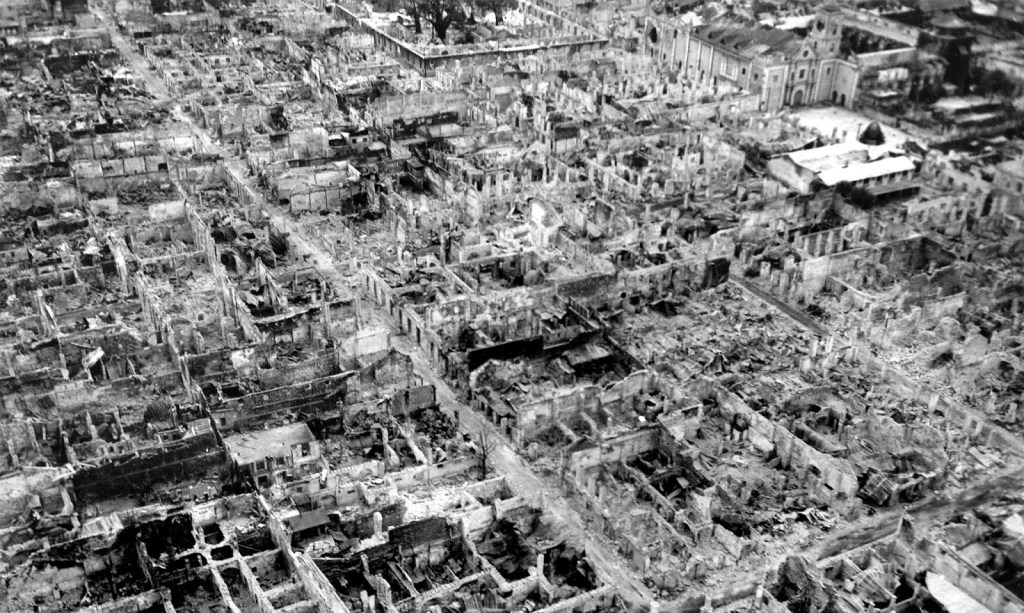
The Battle of Manila ended on March 3, 1945, when the remaining Japanese forces surrendered or were defeated. The liberation of the city was a crucial victory for the Allies, but it came at a great cost. The battle resulted in tens of thousands of civilian casualties and extensive destruction of the city. For the Philippines, the battle marked the end of Japanese occupation and the beginning of the rebuilding process, though the scars of war would remain for years to come.
In summary, the Battle of Manila was a significant and grueling confrontation that underscored the complexities and human costs of World War II urban warfare. The struggle for the city was a testament to both the resilience of the American and Filipino forces and the devastating impact of the war on civilian populations.




 Battleground Archives
Leave a comment