
Since the founding of the State of Israel in 1948, the country has been involved in several major wars and military operations to defend its territory. The characteristics of these conflicts have evolved over time, ranging from proxy wars between superpowers and low-intensity conflicts to conventional battles between regular armed forces, guerrilla warfare, terrorist attacks, and highly asymmetric warfare.
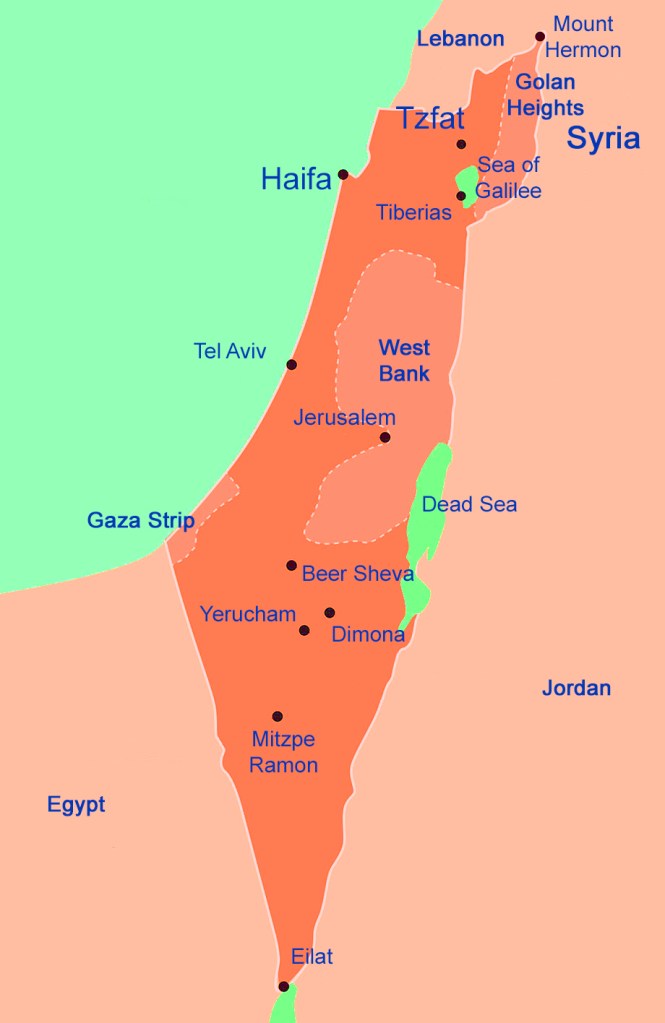
1947-1949: War of Independence
- Duration: November 1947 – July 1949
- Belligerents: Israel vs. a coalition of Arab states/forces
- Outcome: Israeli victory; establishment of the State of Israel, armistice agreements with neighboring Arab states, significant territorial gains for Israel. West Bank occupied and later annexed by Jordan. Gaza occupied and administered by Egypt.
1956: Suez Crisis
- Duration: October 29 – November 7, 1956
- Belligerents: Israel, United Kingdom, and France vs. Egypt
- Outcome: Military victory for Israel, UK, and France; political victory for Egypt. Israel withdrawal from the Sinai Peninsula under international pressure, particularly from the United States and the Soviet Union.
1967: Six-Day War
- Duration: June 5 – June 10, 1967
- Belligerents: Israel vs. Egypt, Jordan, and Syria
- Outcome: Decisive Israeli victory; Israel captured the Sinai Peninsula, Gaza Strip, West Bank, and the Golan Heights.
1967-1970: War of Attrition
- Duration: March 1969 – August 1970
- Belligerents: Israel vs. Egypt, with limited engagements with Jordan and the Palestine Liberation Organization (PLO)
- Outcome: Ceasefire agreement; no significant territorial changes, but heavy casualties on both sides.
The Palestine Liberation Organization (PLO) is an umbrella political and paramilitary organization founded in 1964 to create an independent State of Palestine. It is recognized as the sole legitimate representative of the Palestinian people by the United Nations and other international bodies. The PLO has historically engaged in armed struggle against Israel but shifted towards diplomacy and negotiations, resulting in the Oslo Accords and the recognition of Israel in the 1990s.
1973: Yom Kippur War
- Duration: October 6 – October 25, 1973
- Belligerents: Israel vs. Egypt and Syria, with support from other Arab states
- Outcome: Initial Arab gains followed by Israeli counter-offensive; ceasefire and subsequent disengagement agreements; led to the Camp David Accords and peace treaty with Egypt leading to Israeli withdrawal from Sinai peninsula and Gaza Strip. In 1988, Jordan officially relinquished its claim to the West Bank.
1982: First Lebanon War
- Duration: June 6 – September 1982 (extended military presence until 2000)
- Belligerents: Israel vs. PLO and Syrian forces in Lebanon
- Outcome: PLO expelled from Lebanon; Israeli occupation of southern Lebanon; eventual Israeli withdrawal in 2000.
1987-1993: First Intifada
- Duration: December 1987 – September 1993
- Belligerents: Israeli military vs. Arab militants in the West Bank and Gaza Strip
- Outcome: Oslo Accords; establishment of the Palestinian Authority; continued tensions and intermittent violence. Gradual transfer of responsibilities from Israeli to Palestinian Authority.
2000-2005: Second Intifada
- Duration: September 2000 – February 2005
- Belligerents: Israeli military vs. Arab militants
- Outcome: High casualties on both sides; construction of the Israeli West Bank barrier; no definitive resolution. Israeli withdrawal from Gaza Strip.
2006: Second Lebanon War
- Duration: July 12 – August 14, 2006
- Belligerents: Israel vs. Hezbollah in Lebanon
- Outcome: Ceasefire under UN Resolution 1701; continued Hezbollah influence in southern Lebanon; significant damage and casualties in Lebanon and northern Israel.
Hezbollah is a Shiite militant group and political party based in Lebanon, founded in the early 1980s with support from Iran. It is designated as a terrorist organization by several countries such as the United States and Israel, though it also holds significant political power in Lebanon. Hezbollah is known for its military attacks against Israel and its involvement in the Syrian civil war.
2008-2009: Operation Cast Lead
- Duration: December 27, 2008 – January 18, 2009
- Belligerents: Israel vs. Hamas and other Arab militant groups in Gaza
- Outcome: Ceasefire; continued blockade and intermittent conflict.
Hamas is a militant organization and political group, designated as a terrorist organization by several countries, including the United States, Israel, and the European Union. It was founded in 1987 as an offshoot of the Egyptian Muslim Brotherhood and has governed the Gaza Strip since 2007. Hamas is known for its armed attacks against Israel, including suicide bombings and rocket attacks.
11. 2012: Operation Pillar of Defense
- Duration: November 14 – November 21, 2012
- Belligerents: Israel vs. Hamas and other militant groups in Gaza
- Outcome: Ceasefire brokered by Egypt.
12. 2014: Operation Protective Edge
- Duration: July 8 – August 26, 2014
- Belligerents: Israel vs. Hamas and other Arab militant groups in Gaza
- Outcome: Ceasefire; continued blockade and periodic hostilities.
2021: Operation Guardian of the Walls
- Duration: May 10 – May 21, 2021
- Belligerents: Israel vs. Hamas and other Arab militant groups in Gaza
- Outcome: Ceasefire brokered by Egypt.
2023-2024: Israel – Hamas War
- Duration: October 7, 2024 – ongoing (as of August 2024)
- Belligerents: Israel vs. Hamas and Hezbollah
- Outcome: Ongoing conflict.
These conflicts highlight the persistent and complex nature of the Arab-Israeli conflict, with each war influencing the political, social, and geographical landscape of the region. We will look more into each of these conflict over the months to come to better understand the nature of the military aspects.




 Battleground Archives
Leave a comment