Camouflage has its origins in the French language. It is derived from the verb camoufler, which means to disguise or to conceal. It can be traced back to the Latin word camouflare, a combination of cam (meaning with or alongside) and flare (meaning to shine or to be bright), which formed the meaning of to disguise or hide with false appearance.
There are many different types of camouflage to provide concealment and blending in specific environments and conditions. Multiple overlapping aspects may be considered for anyone who would like to make optimal use of patterns available.
- Variety of Terrains: Different regions of the world have diverse landscapes, from dense forests to arid deserts, snowy tundras to urban settings. Camouflage patterns are tailored to these environments to ensure effective concealment.
- Optimal Blending: Camouflage patterns are designed to mimic the colors, textures, and shapes found in specific environments. This includes the foliage, ground cover, and lighting conditions of the area.
- Military Applications: Military forces require camouflage for various missions, such as reconnaissance, surveillance, and combat. Different patterns are developed for specific roles, from woodland operations to urban warfare.
- Seasonal Changes: Camouflage patterns may vary seasonally to match changes in vegetation and weather. For example, winter patterns are designed for snowy environments, while autumn patterns mimic falling leaves.
- Technology: With advancements in technology and materials, designers can create more intricate and effective patterns. Digital and pixelated designs, for example, offer improved blending.
- Adaptive Camouflage: However futuristic, some modern patterns even use adaptive materials that change color, pattern or other properties based on the environment. This provides enhanced concealment across a range of conditions.
BAE Systems developed the ADAPTIV system for military vehicles. It uses hexagonal panels that can change temperature to match their surroundings.
- Tradition: Some patterns have historical significance or cultural ties to specific regions or military units. These patterns may be retained for tradition or identification purposes.
- Unit Identity: Military units often have their own unique camouflage patterns for unit cohesion and identification. These patterns can foster a sense of belonging and unity among soldiers.
History
Napoleonic Wars: The first recorded use of camouflage in military uniforms can be traced back to the early 19th century, particularly during the Napoleonic Wars. However, these early attempts at camouflage were not as sophisticated or widespread as modern camouflage patterns. Some French troops used green and brown uniforms instead of the traditional bright blue and red. The British Rifle Brigade, formed in the early 19th century, is often credited with early experimentation in camouflage. Their dark green uniforms with black facings were designed for concealment in forested and wooded areas.
Crimean War: During the Crimean War, British rifle units, such as the 95th Rifles, adopted dark green uniforms that provided better concealment in the field compared to the traditional redcoats worn by line infantry.
The British Rifle Brigade, also known as the 95th Regiment of Foot (Rifle), was a distinguished infantry regiment of the British Army. It was formed in 1800 during the French Revolutionary Wars and Napoleonic Wars.
Boer Wars: Boer fighters in South Africa during the late 19th century were known for their use of earth-toned clothing and khaki colors (derived from the Hindi word for dust), which provided better concealment in the grasslands.
World War I: The French Chasseurs Alpins, mountain infantry units, wore distinctive blue-gray uniforms designed for concealment in the Alpine regions. This was one of the first examples of specialized mountain camouflage. German Jaeger units, specialized light infantry, often wore field-gray uniforms that were less conspicuous than the traditional bright-colored uniforms.
World War II: World War II saw the widespread adoption of camouflage patterns by various military forces. Nations developed specialized patterns for different environments, such as forests, deserts, and urban areas. Scottish and British snipers used ghillie suits, which were handcrafted suits made of strips of burlap or cloth attached to a netting base. These suits provided excellent concealment in various terrains.
The term ghillie have Scottish origins, from Scotland's Highland region. It refers to a gamekeeper or guide, particularly one who assists in hunting or fishing expeditions.
Post World War II: Camouflage patterns continued to evolve and improve after World War II. Nations developed more sophisticated designs using computer-generated patterns, digital printing techniques, and adaptive materials. Modern military forces use a wide range of camouflage patterns tailored to specific environments.
Types
There are numerous ways of categorizing camouflage patterns, by intended use, landscape, graphic design, season and much more. Below are examples of some common patterns used in modern armed forces.
Woodland Camouflage:
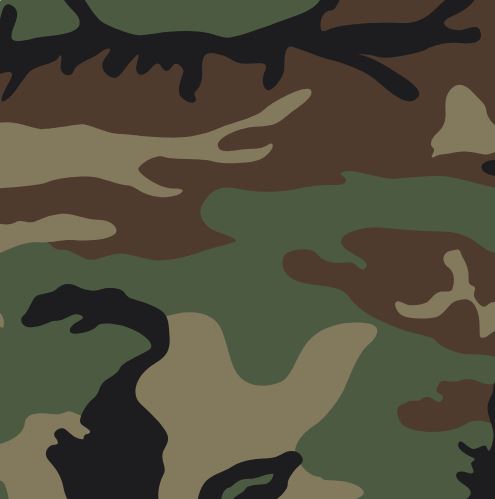
- Woodland: This pattern, among the most common ones, consists of green, brown, black, and tan shapes to blend into wooded areas.
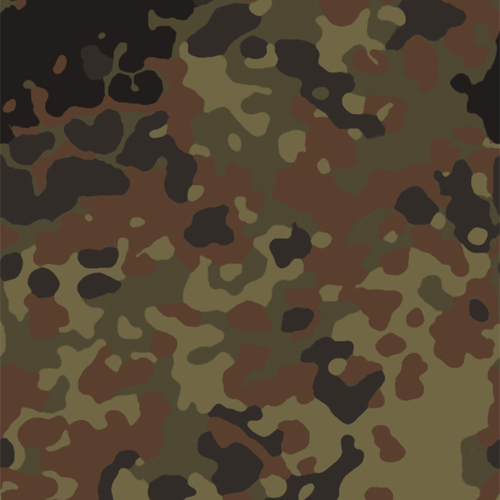
- Flecktarn: Originating from Germany, Flecktarn features various green and brown dots and spots on a light green background, ideal for European woodlands.
Desert Camouflage:
- Choc-Chip: A pattern used by the Australian military, with brown and beige irregular shapes for desert and arid conditions.
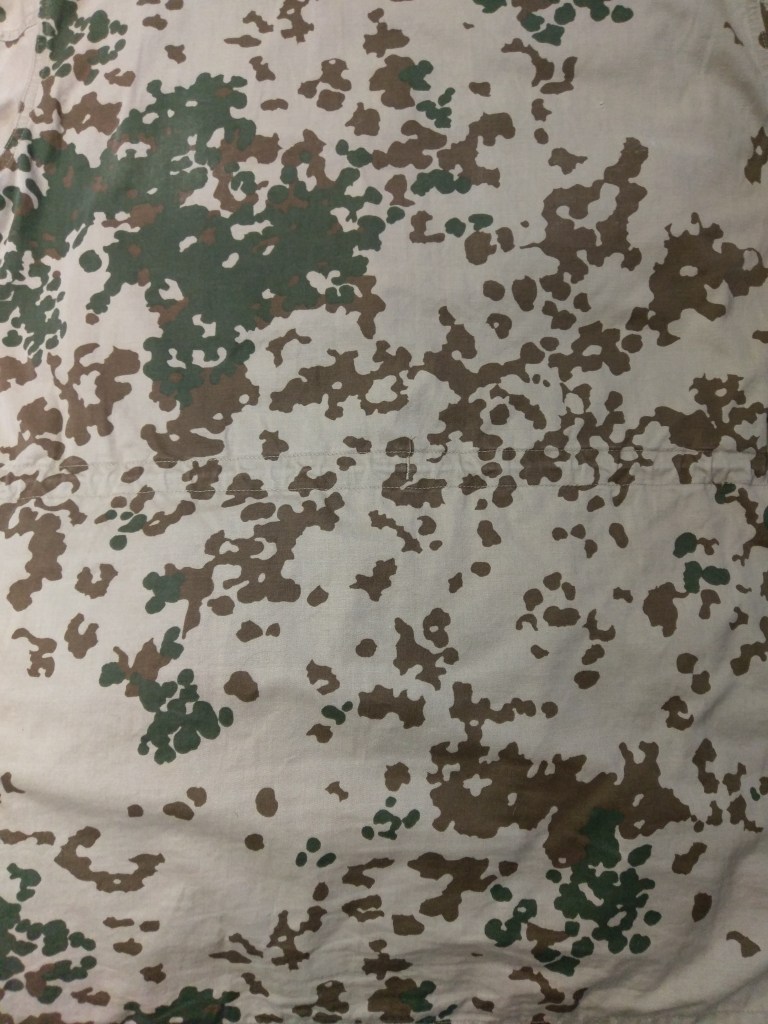
- Tropentarn: Tropical camouflage, formerly known as Wüstentarn (desert camouflage), is a pattern used by the German Bundeswehr.

Urban Camouflage:
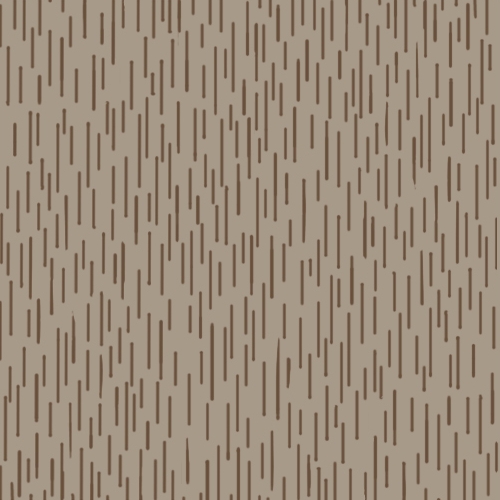
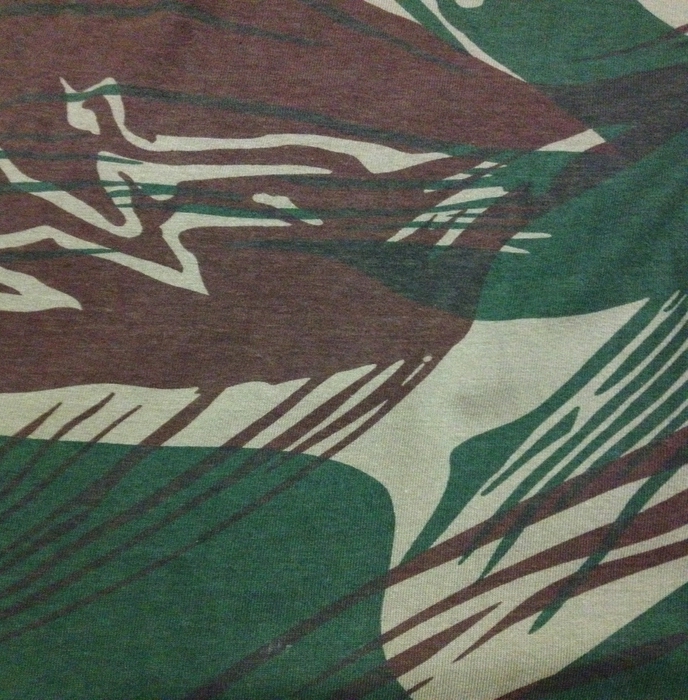
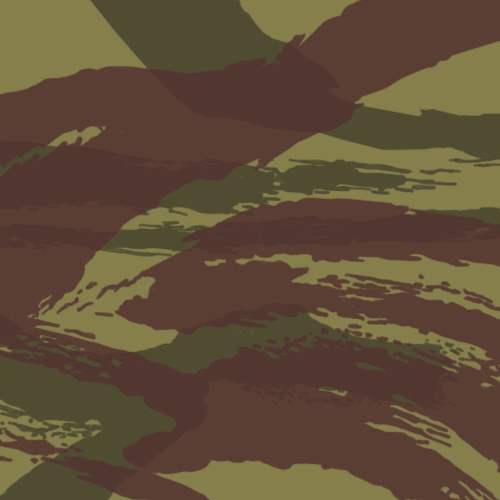
- Rain: Rain patterns, also called Line patterns, often used in urban settings, feature vertical lines in red, brown or similar color.
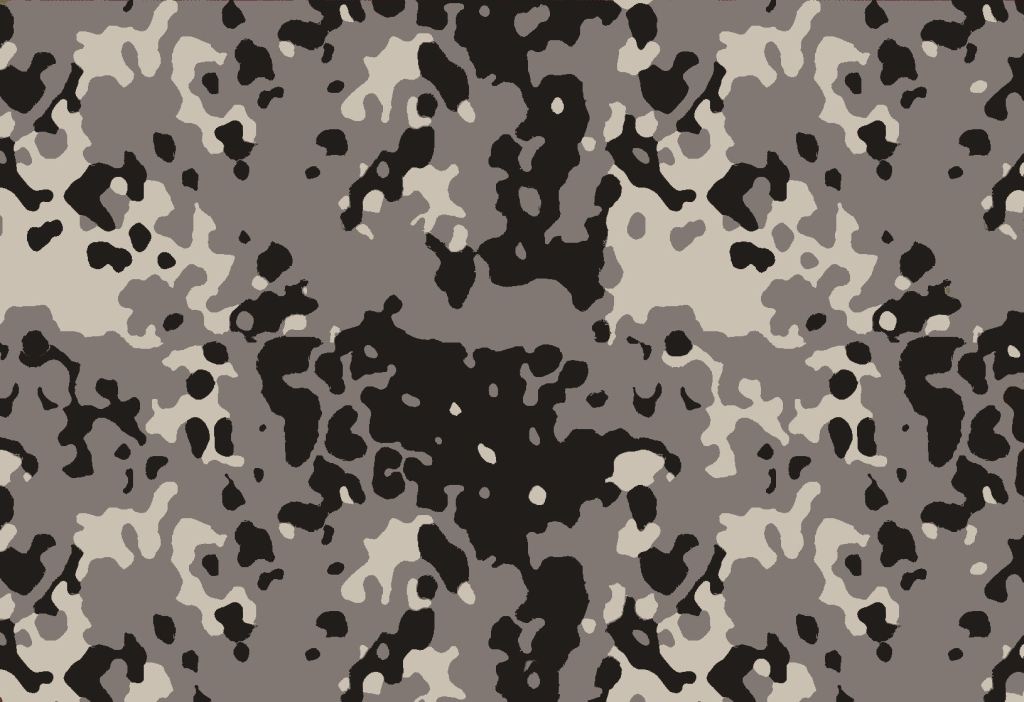
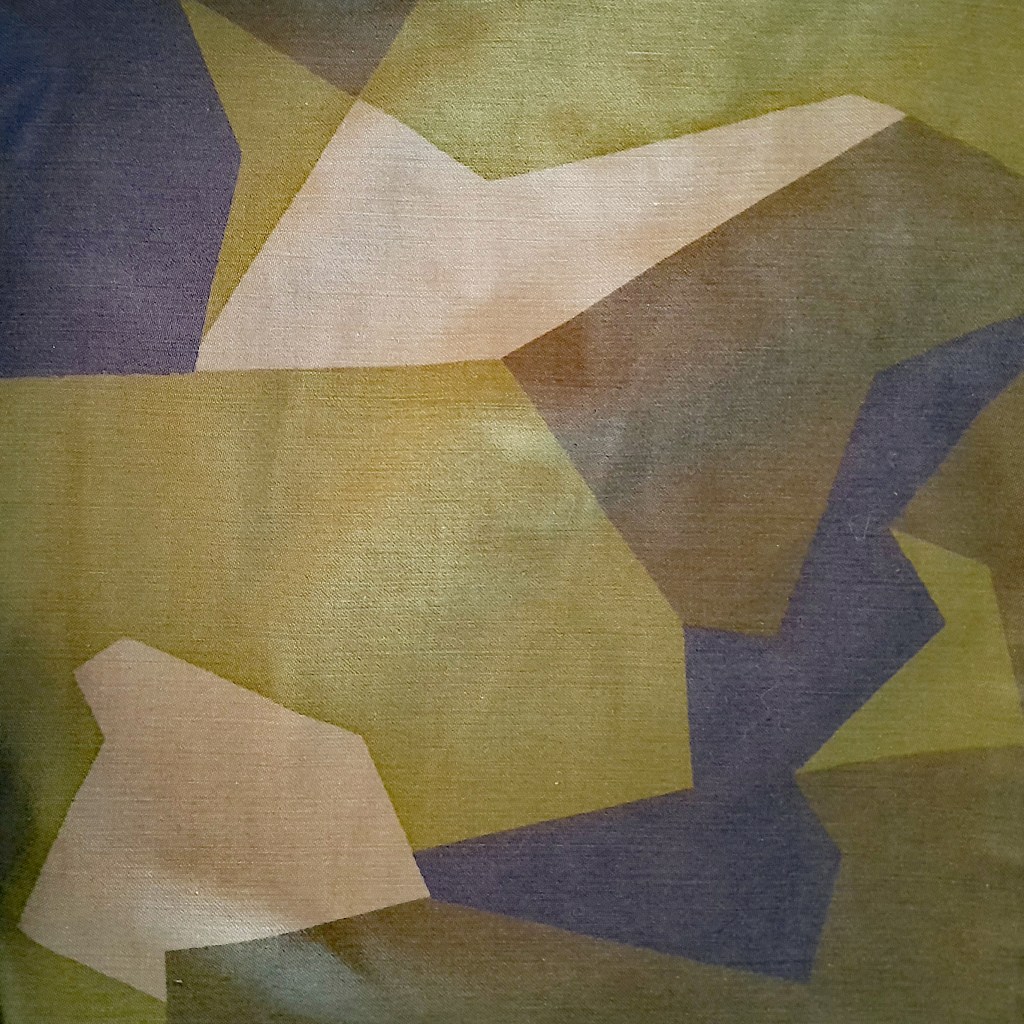
- Prototype M84 Urban: A prototype version of the M84, which is a former camouflage pattern by the Danish military.
Snow Camouflage:
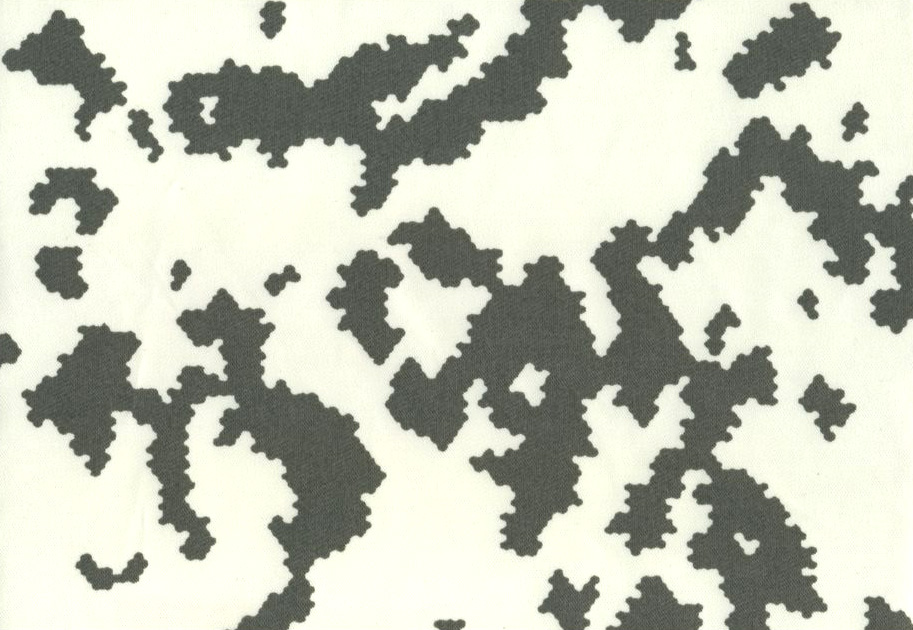
- Snow Camo: Typically white or light gray with dark spots or streaks for blending into snowy terrain.
Transitional Camouflage:
Transitional camouflage patterns are designed to provide effective concealment in environments that have a mix of different terrain types. These patterns aim to blend soldiers into landscapes where woodlands meet grasslands, or where rocky areas transition into desert plains.
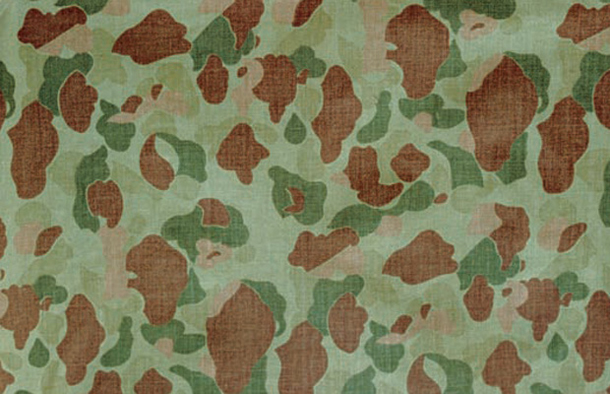
- Frog Skin: Frog Skin patterns, used by some militaries, have irregular shapes and spots in various colors like green, brown, and black. They are designed for transitional environments like forests and mixed terrain.
- Brushstroke: Brushstroke patterns, with irregular, curved shapes resembling brushstrokes, are effective in wooded and forested environments. They often feature shades of green, brown, and black.
- Splinter: Splinter patterns feature sharp, angular shapes resembling broken wood or branches, effective for blending into forested or wooded areas.
- Multicam: This pattern, adopted by various militaries, blends brown, tan, and green into a transitional pattern for mixed environments.
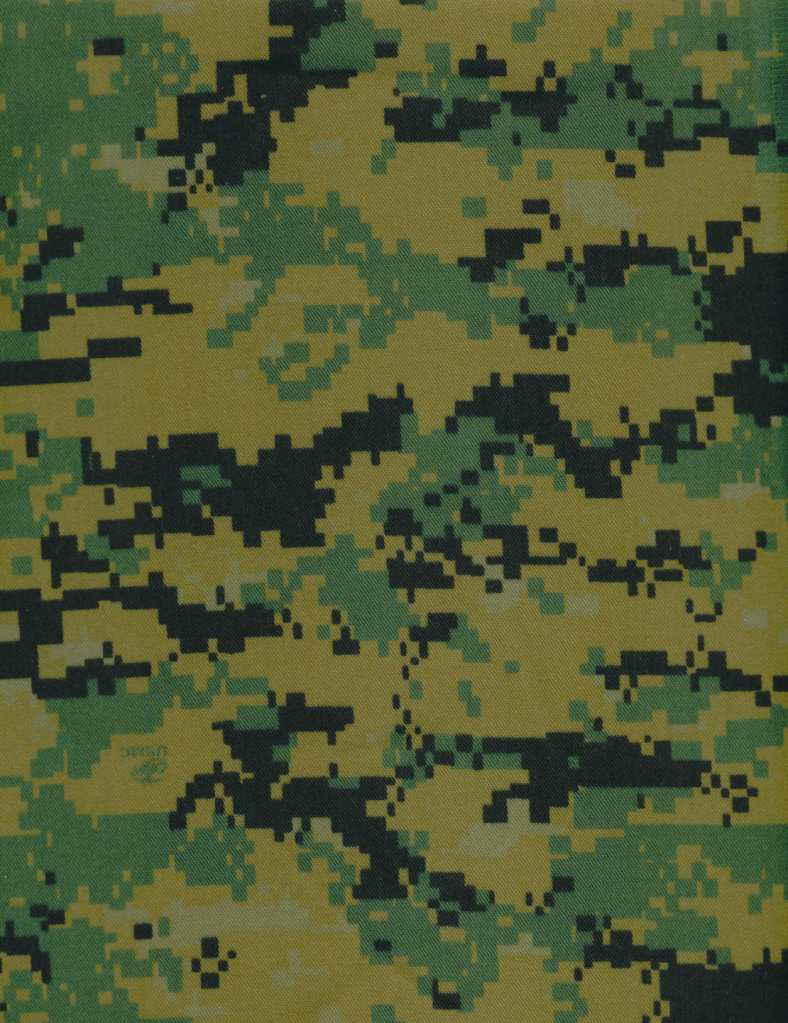
- CADPAT (Canadian Disruptive Pattern): Consisting of green and brown pixelated shapes, CADPAT is used by the Canadian military for a range of environments.
Other Types of Camouflage:
- Digital Camouflage: Patterns like MARPAT (Marine Pattern) and CADPAT mentioned above use pixelated designs for effective blending in various terrains.
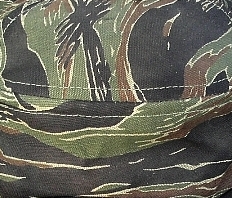
- Tiger Stripe: Originating from Vietnam, Tiger Stripe features dark stripes on a lighter background for jungle environments.
- Worm: Worm patterns, also known as snake or reptile patterns, was used in the Polish army.
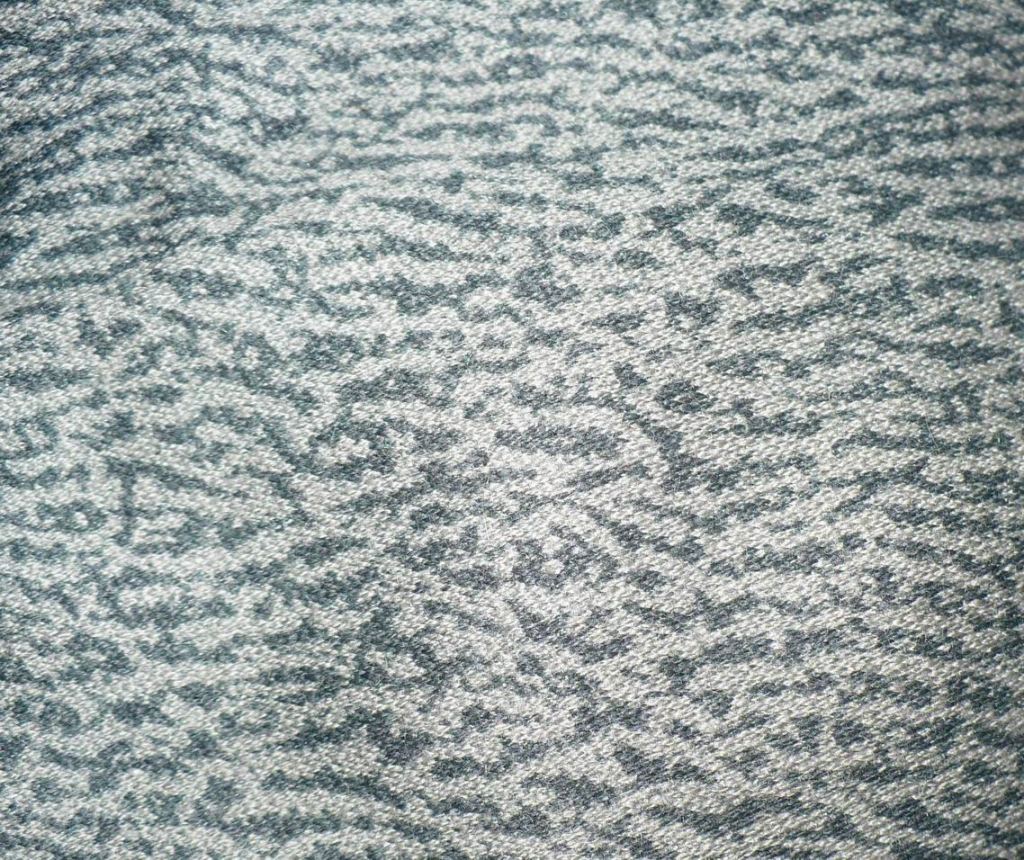
- A-TACS (Advanced Tactical Concealment System): A modern digital pattern with earthy colors and abstract shapes, providing effective concealment in multiple environments.
- Puzzle: Puzzle patterns, often seen in hunting camouflage, consist of abstract shapes and colors that mimic the texture of tree bark or foliage. They are effective in woodland environments.
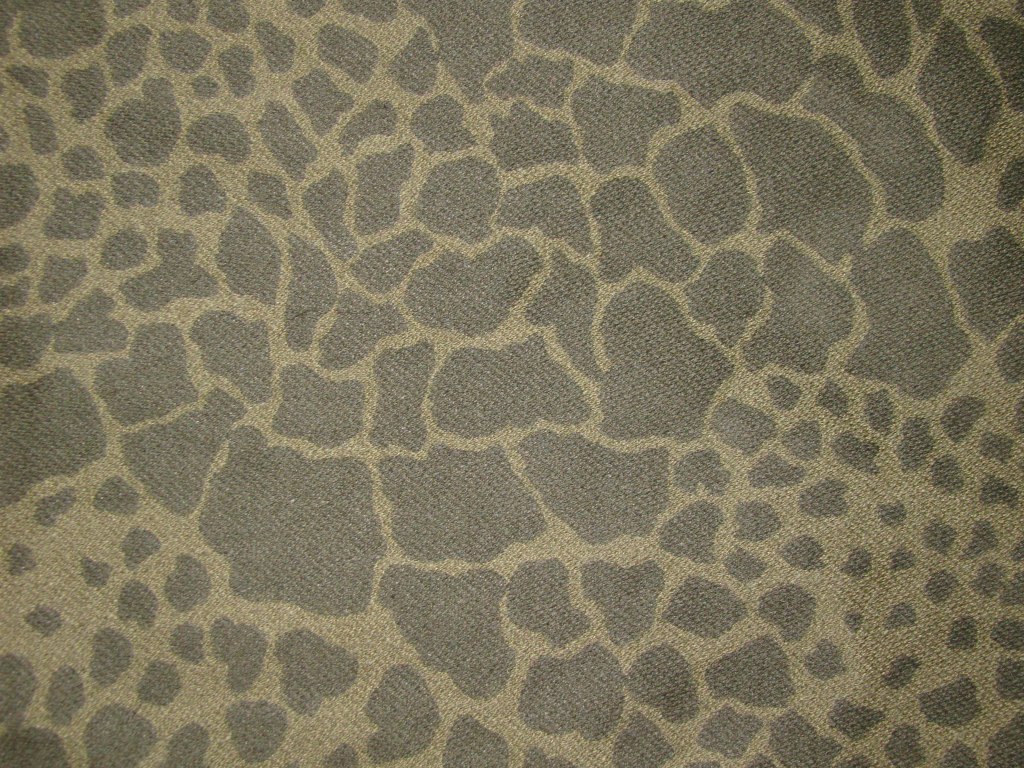
- Lizard: Lizard patterns, as the name suggests, mimic the scales and colors of lizards or reptiles.
- Puma: A pattern that was used by the Polish army. wz. 89 Puma was not very effective and was soon replaced by another pattern.





 Battleground Archives


Leave a comment