
Breaching teams in Close Quarter Combat (CQC) operations employ a variety of techniques to gain entry into buildings or rooms that are fortified or locked, enabling assault teams to enter and engage with adversaries. The primary goal of breaching is to quickly and safely create entry points that allow for the element of surprise and tactical advantage. Breaching techniques can be broadly categorized into mechanical, ballistic, explosive, and thermal, each with its specific applications, advantages, and risks.
Mechanical Breaching
This involves the use of manual tools to force entry through doors, windows, or walls. Common tools include battering rams, bolt cutters, breaching bars/halligan tools, saws and hydraulic tools. Mechanical breaching is often preferred for its relative slicence and lower risk of collateral damage, though it can be physically demanding and time-consuming.
The Halligan tool is a versatile forcible entry tool used by first responders and military CQC Breach Teams. It was named after its inventor, Chief Hugh Halligan of the New York City Fire Department, who developed it in the 1940s. It consists of an Adze (a flat, chisel-like blade), a Fork and a Pike
Ballistic Breaching
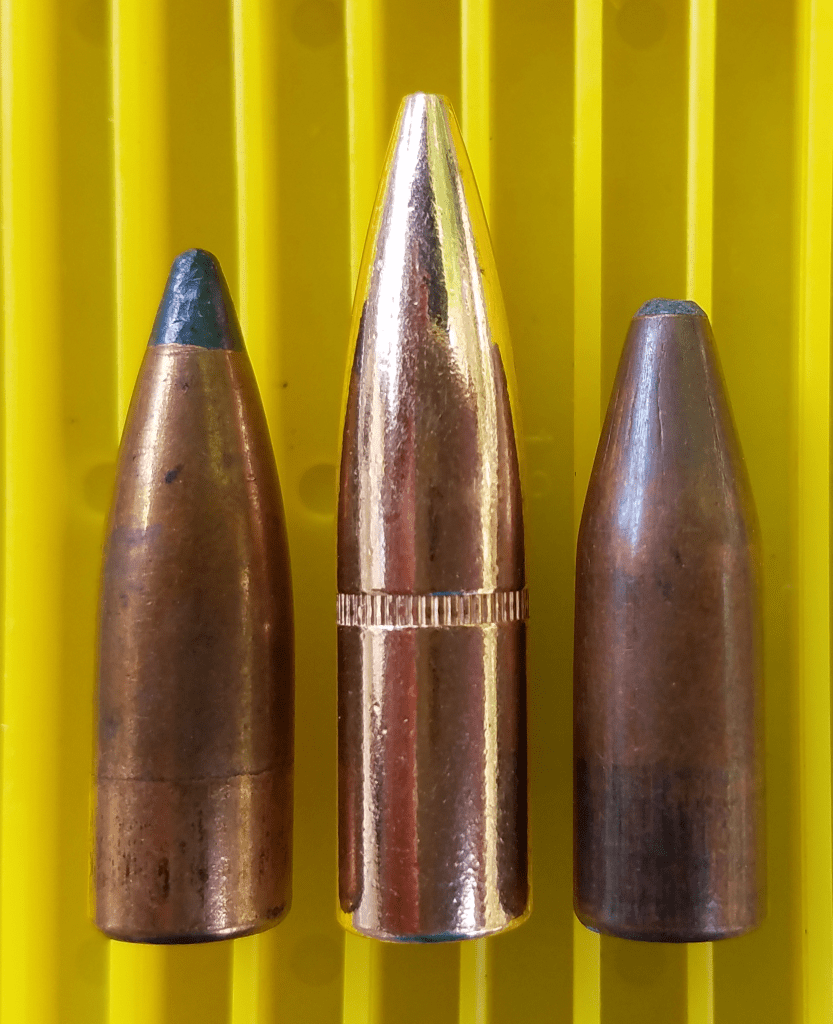
This technique uses firearms to breach locks or hinges. Shotguns are commonly used due to their effectiveness at close range against door mechanisms. Specific breaching ammunition, designed to disintegrate upon impact with a hard surfaces to minimize ricochet hazards, is used. An exmaple is slugs of compressed copper powder. Ballistic breaching provides a quick way to gain entry but can be loud and announce the breachers’ presence.
Explosive Breaching
Explosive breaching involves the use of controlled explosives to blow open doors, walls, or gates. It is one of the fastest breaching methods and can be used to breach multiple entry points simultaneously, disorienting occupants and allowing for rapid assault. This method requires expert knowledge to minimize collateral damage and ensure the safety of the breaching and assault teams. Charges can be shaped to focus the blast effect in a specific direction, such as through a door or wall, minimizing harm to non-target areas.
Thermal Breaching
Thermal breaching uses high-temperature devices like thermal lances, plasma cutters, or torches to melt or burn through barriers. This method is less common due to the time it takes and the specialized equipment required but can be invaluable for defeating locks or barriers that are resistant to other breaching methods.
General Techniques and Considerations
Silent Breaching: Whenever stealth is paramount, teams may opt for the quietest methods, such as mechanical tools, to maintain the element of surprise.
Dynamic Entry: When speed is critical, explosive or ballistic breaching can create immediate entry points, allowing assault teams to enter rapidly and overwhelm occupants.
Safety and Backblast Area: In explosive and ballistic breaching, ensuring the safety of the breaching team and any nearby non-combatants is crucial. Techniques are chosen and executed with precision to minimize the risk of injury.
Coordination with Assault Teams: Breaching actions are tightly coordinated with assault teams. Breachers open the entry point and quickly move aside or follow with their specific tasks as the assault team enters and clears the room or building.
Breaching teams are trained to evaluate the situation rapidly and choose the most appropriate technique based on the mission objectives, the structure’s composition, and the need to minimize collateral damage and casualties. Their expertise and efficiency are critical in setting the conditions for successful CQC operations.
Learn More
Frangible Ammunition at NRA. Information about its pros, cons and more. Link






 Battleground Archives
Leave a comment