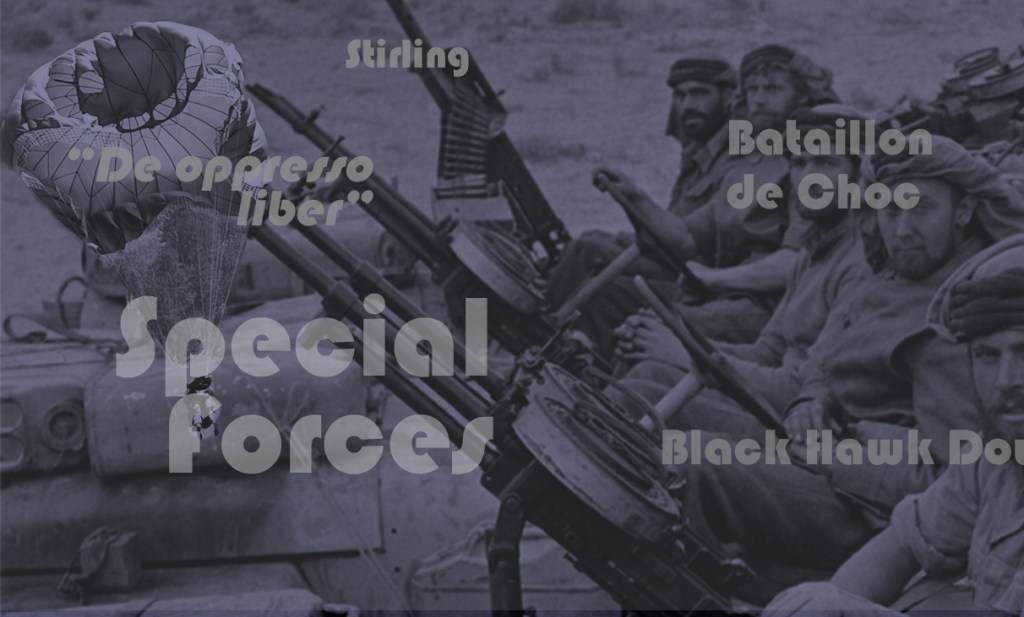
The 13th Parachute Dragoon Regiment (13e Régiment de Dragons Parachutistes, 13e RDP) is a unique unit within the French Army, part of the French Special Forces Command. Its primary role is deep reconnaissance, intelligence gathering, and special reconnaissance missions behind enemy lines. The regiment is known for its expertise in gathering strategic intelligence in hostile or denied areas, operating in small teams with a high degree of autonomy and discretion.
Origins and Early History
The 13e RDP traces its lineage back to the cavalry units of the Ancien Régime, evolving through various forms over the centuries. However, its modern identity as a parachute regiment was established in the aftermath of World War II, incorporating traditions and experiences from different cavalry and parachute units.
Marquis de Barbezières was instrumental in organizing and raising the 13th Dragoon Regiment. He was born on February 9, 1641, in France. He came from a noble family with a long history of military service. Barbezières began his military career at a young age.
Cold War Era
During the Cold War, the 13e RDP’s role as a reconnaissance unit became increasingly important, with its capabilities adapted to the requirements of NATO’s defense strategy against the Warsaw Pact. The regiment was trained in long-range reconnaissance patrols (LRRP), surveillance, and the collection of intelligence behind enemy lines, often involving covert insertion methods including parachuting and heliborne operations.
NATO was established on April 4, 1949, when the North Atlantic Treaty was signed in Washington, D.C., by 12 founding member countries: Belgium, Canada, Denmark, France, Iceland, Italy, Luxembourg, the Netherlands, Norway, Portugal, the United Kingdom, and the United States.
Modern Operations
In the post-Cold War era, the 13e RDP has been engaged in various international operations, including peacekeeping missions and the global war on terror. The regiment has operated in the Balkans, Africa, Afghanistan, and the Middle East, adapting to new forms of warfare and expanding its role in intelligence-driven operations. Its missions have increasingly focused on counter-terrorism, the identification of threats, and the collection of information critical to the planning and execution of military operations.
Training and Capabilities
The selection and training process for the 13e RDP is rigorous, reflecting the demanding nature of its missions. Candidates undergo a comprehensive program that includes airborne training, survival skills, reconnaissance techniques, and advanced communications. The regiment places a strong emphasis on individual initiative, language skills, and the ability to operate sophisticated surveillance equipment in challenging environments.
Unique Aspects
What sets the 13e RDP apart from other special forces units is its focus on strategic reconnaissance, often requiring operatives to work undercover and gather intelligence without direct engagement with the enemy. This role necessitates a unique blend of skills, including cultural awareness, technical proficiency, and the ability to operate for extended periods in isolation.
Find out More
To learn more about 13e RDP, please check out:
- 13e RDP : L’artère noire by François de Lannoy. This book provides a detailed history of the 13e RDP, its missions, and its role within the French military.
- Les dragons parachutistes, de Dien Bien Phu à Beyrouth by Jean-Pierre Gury. This book covers the history and operations of French airborne dragoon units, including the 13e RDP, from Dien Bien Phu to Beirut.
- Les bérets rouges by Roger Foucrault. While not exclusively about the 13e RDP, this book covers the history and missions of French airborne units, including the dragoons.




 Battleground Archives
Leave a comment