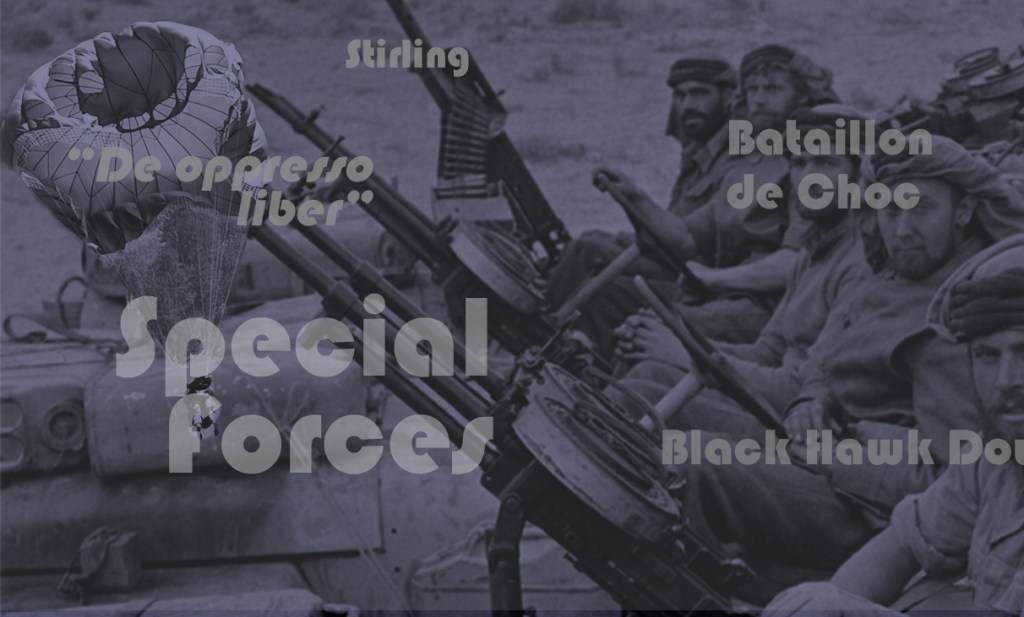
The Special Boat Service (SBS) is the United Kingdom’s naval special forces unit and a sister service of the Special Air Service (SAS). Specializing in maritime counter-terrorism, amphibious warfare, and other special operations, the SBS operates under the command of the United Kingdom Special Forces (UKSF) alongside the SAS, the Special Reconnaissance Regiment (SRR), and the Special Forces Support Group (SFSG). The SBS’s roles include underwater warfare, ship boarding, sabotage, and reconnaissance, with a reputation for being highly skilled in all aspects of maritime special operations.
In 1940, officer Roger Courtney of the Royal Navy proposed the idea of a small unit of canoeists to the British War Office. This unit would later become the Special Boat Service. The War Office approved the idea, and the SBS was officially formed as a branch of the Royal Navy in July. Courtney played a crucial role in the establishment and early development of the SBS.
Origins and World War II
The origins of the SBS trace back to World War II, with the formation of the Special Boat Section in 1940. Initially part of the Army Commandos, the unit was established to carry out reconnaissance, raiding, and engaging enemy targets along coastlines and inland waterways, particularly in the Mediterranean and Aegean Seas. Their operation included gathering intelligence, sabotage missions, and supporting larger land operations.
Post-World War II Development
After World War II, the Special Boat Section was renamed the Special Boat Squadron and, eventually, the Special Boat Service, reflecting its broader remit and capabilities. During the Cold War, the SBS shifted its focus to include potential operations behind the Iron Curtain, engaging in underwater demolition, beach reconnaissance, and other clandestine activities in preparation for a possible conflict with the Warsaw Pact.
Modern Era Operations
The SBS has been involved in numerous conflicts and operations in the post-Cold War era, including the Falklands War, the Gulf Wars, operations in the Balkans, Afghanistan, and Iraq. Their operations often overlap with those of the SAS, but with a particular emphasis on maritime environments. The SBS has developed a capability for counter-terrorism operations at sea, including ship and oil platform boardings, often in response to the threat of terrorism and piracy.
Operation Barras took place in Sierra Leone in 2000. The operation was aimed at rescuing a group of British soldiers who had been captured by the Revolutionary United Front (RUF) rebels. The SBS, along with the Special Air Service (SAS), was called in to plan and execute a rescue operation.
Selection and Training
Selection for the SBS is as rigorous as that for the SAS, with candidates undergoing a grueling selection process that tests physical endurance, mental toughness, and combat skills. While the SBS recruits primarily from the Royal Marines, candidates from other military branches are also considered. Those who pass selection undergo further specialized training in diving, parachuting, navigation, and other skills necessary for their unique maritime missions.
Notable Operations and Secrecy
One of the most notable public acknowledgments of the SBS’s capabilities was their involvement in the retaking of the MV Montecristo from Somali pirates in 2011. However, much of the SBS’s work remains classified, with specific operations and capabilities shrouded in secrecy. This confidentiality is a hallmark of UK Special Forces operations, aimed at preserving operational security and effectiveness.
Find out More
- SBS: The Inside Story of the Special Boat Service by John Parker. This book provides an in-depth look at the history and operations of the SBS.
- The SBS in World War II: An Illustrated History by Gavin Mortimer. A comprehensive history of the SBS during World War II, with detailed accounts and illustrations.
- First Into Action: A Dramatic Personal Account of Life in the SBS by Duncan Falconer. Written by a former SBS operator, this book offers a firsthand account of life and missions in the SBS.





 Battleground Archives
Leave a comment