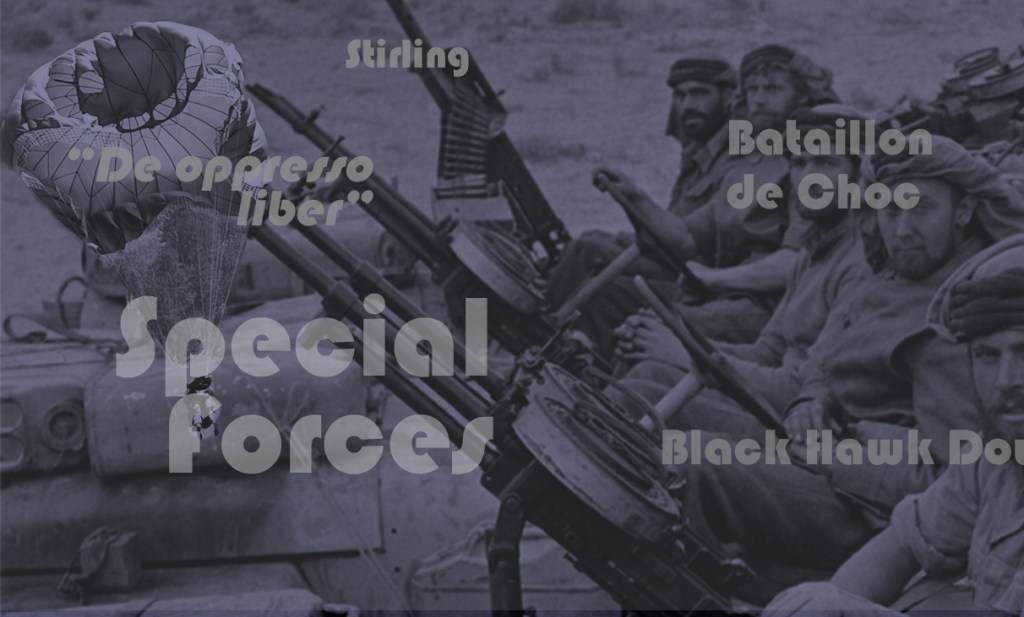

The Special Air Service (SAS) is a special forces unit of the British Army, known for its exceptional endurance, discipline, and versatility in conducting various special operations. The SAS has set the standard for modern special forces around the world, with a history that spans back to World War II. Their operations include direct action, reconnaissance, counter-terrorism, and hostage rescue, with a capability to operate in all environments: desert, jungle, arctic, and urban areas.
Formation and World War II
The SAS was founded in 1941 by Lieutenant David Stirling as the “L” Detachment, Special Air Service Brigade, with the idea of deploying small teams behind enemy lines in North Africa to conduct raids against German and Italian airfields. Initially, the SAS faced skepticism and logistical challenges, but the unit quickly proved its value through successful hit-and-run attacks, destroying numerous enemy aircraft on the ground. This period laid the foundation for the SAS’s doctrine of using speed, surprise, and shock action to achieve their objectives.
David Stirling was born on November 15, 1915, in Scotland. He had a background in the British military, having attended Ampleforth College and then going on to study at Trinity College, Cambridge. Stirling's leadership style was unconventional but effective. He was known for leading from the front. In 1943, Stirling was captured by the Germans and spent the remainder of the war as a prisoner.
Post-World War II and the Cold War
After World War II, the SAS was briefly disbanded but was reformed in 1947 as the 21st SAS Regiment of the Territorial Army. In the 1950s and 1960s, the SAS expanded its role to counter-insurgency operations, notably in Malaya, Oman, and Borneo. During the Cold War, the SAS also focused on reconnaissance and behind-the-lines sabotage missions in the event of a Warsaw Pact invasion of Western Europe.
The Iranian Embassy Siege
One of the most publicized events in the SAS’s history was the 1980 Iranian Embassy siege in London. When Iranian dissidents took hostages, the SAS was called in to end the siege. The operation, dubbed Operation Nimrod, was broadcast live on television and ended successfully with the rescue of all but one of the hostages. The operation significantly raised the SAS’s public profile and demonstrated the effectiveness of counter-terrorism operations.
A group of six armed men were responsible for the attack on the Iranian Embassy, from the Democratic Revolutionary Front for the Liberation of Arabistan (DRFLA). It was a separatist group seeking autonomy for Arab-populated areas of Iran.
Recent Operations
In recent decades, the SAS has been involved in numerous operations worldwide, particularly in the fight against terrorism. They have played significant roles in the Falklands War, the Gulf Wars, the conflict in the Balkans, operations in Afghanistan and Iraq, and various counter-terrorism and hostage rescue missions. Their operations are often shrouded in secrecy, and members are known for their professionalism and discretion.
Selection and Training
The selection process for the SAS is one of the most demanding in the military world, designed to test physical fitness, mental endurance, and combat skills. Only a small percentage of those who attempt selection succeed. Those who do pass undergo further specialist training in weapons, survival, and tactics before being deployed on operations.
Legacy and Influence
The SAS’s effectiveness and reputation have led it to be regarded as a model for special forces worldwide. Its ethos, encapsulated by the motto “Who Dares Wins,” emphasizes bravery, initiative, and a willingness to tackle the most challenging missions. The SAS has had a profound influence on the development of other special forces units globally, sharing its expertise and experiences to enhance the capabilities of allied units.
The history of the SAS is a testament to the unit’s adaptability, skill, and courage, reflecting its central role in modern military operations and its continued relevance in addressing contemporary security challenges.
Find out More
Below are just some of the references that can be found on SAS and its history.
- SAS: Rogue Heroes by Ben Macintyre. This book provides a comprehensive history of the SAS, focusing on its founding during World War II and its subsequent operations. It covers the daring missions and the personalities involved in shaping the unit.
- The Regiment: The Real Story of the SAS by Michael Asher. Asher delves into the history and inner workings of the SAS, from its origins to its modern-day operations. It provides insight into the training, ethos, and missions of the unit.
- Zero Six Bravo: 60 Special Forces. 100,000 Enemy. The Explosive True Story by Damien Lewis. This book tells the story of a group of SAS soldiers deep behind enemy lines during the Gulf War. It highlights the bravery and resourcefulness of these elite soldiers.
- The SAS Survival Handbook by John Wiseman. While not specifically focused on the history of the SAS, this book written by a former SAS instructor is a comprehensive guide to survival techniques used by the SAS and is a fascinating read for those interested in their training methods.
- SAS: Who Dares Wins. This Channel 4 series follows civilians as they undergo a condensed version of SAS selection. While it’s not about the history of the SAS, it gives insight into the grueling nature of their training.
- Secrets of the SAS: In Their Own Words. A documentary featuring interviews with former SAS soldiers, sharing their experiences and insights into the unit.
- Official SAS Website. The official website of the British Army offers information about the SAS, its history, selection process, and role within the military. British Army – SAS
- Special Air Service Regimental Association. This is the official association for former and serving members of the SAS. Their website offers historical information and insights into the SAS. SAS Regimental Association
- Bravo Two Zero. Based on the book by Andy McNab, this film depicts the true story of an SAS patrol during the Gulf War.
- The One That Got Away. A film based on the true story of SAS trooper Chris Ryan’s escape from behind enemy lines during the Gulf War.
- SAS – Special Air Service Overview. Elite UK Forces provides a detailed overview of the SAS, its history, selection process, and more.
- Special Air Service (SAS): Selection & Training. Military.com offers information on the grueling selection and training process for the SAS.




 Battleground Archives
Leave a comment