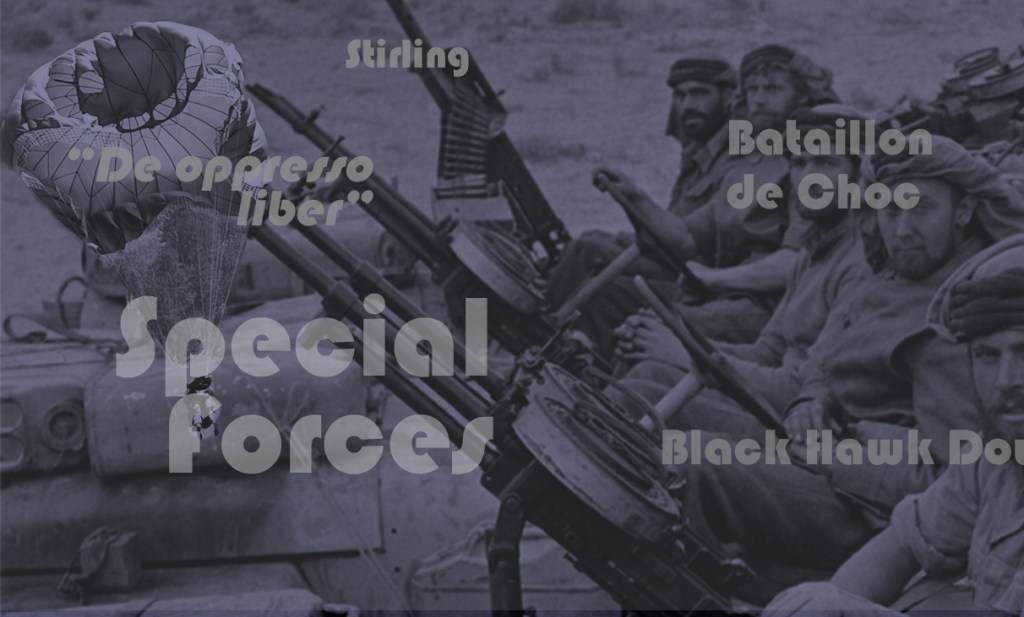
SF or Special Forces in military organizations typically refers to elite military units that are trained to conduct a range of specialized operations beyond the capabilities of regular forces. These operations often include direct action, counter-terrorism, reconnaissance, unconventional warfare, foreign internal defense, hostage rescue, counter-narcotics, and other missions requiring a high degree of skill, secrecy, and precision.
Special Forces units exist in many countries’ military organizations, each with its specific name, structure, and mission focus. Here are a few examples:
- United States: The U.S. Army Special Forces, commonly known as the Green Berets, are renowned for their expertise in unconventional warfare, foreign internal defense, and counter-terrorism. They are part of the United States Special Operations Command (USSOCOM).
- United Kingdom: The UK Special Forces (UKSF) umbrella includes the Special Air Service (SAS), Special Boat Service (SBS), and Special Reconnaissance Regiment (SRR), among others. These units specialize in a variety of roles from direct action to intelligence gathering.
- Russia: The Spetsnaz, which refers to special operations forces in various branches of the Russian military and intelligence community, including the GRU (military intelligence) Spetsnaz. Their missions include reconnaissance, direct action, and hostage rescue.
- France: The French Special Forces Command, or Commandement des Forces Spéciales Terre, oversees units like the 1st Marine Infantry Parachute Regiment (1er RPIMa) and the 13th Parachute Dragoon Regiment (13e RDP), specializing in a wide range of special operations.
- Australia: The Special Air Service Regiment (SASR) is a key component of the Australian Special Operations Command, with capabilities in reconnaissance, counter-terrorism, and direct action.
The training for Special Forces personnel is often rigorous and designed to prepare them for the physical and mental challenges of their unique missions. Membership in these units is highly selective, and the operations they conduct are often classified and critical to national security.
Special forces vs. Law Enforcement
Special forces and police tactical teams like Germany’s GSG 9 (Grenzschutzgruppe 9) serve distinct but sometimes overlapping roles.
Key characteristics of Special Forces are:
- Military Orientation: SF are primarily military units. They are trained and organized to conduct a variety of missions, including direct action, special reconnaissance, unconventional warfare, counter-terrorism, and foreign internal defense.
- Strategic Scope: Special forces typically operate on a strategic level, often conducting missions in foreign territories to achieve military and political objectives. They may operate behind enemy lines, train and advise allied forces, or undertake missions to neutralize high-value targets.
- Selection and Training: Special forces undergo rigorous selection processes and extensive training. This training covers a wide range of skills, including marksmanship, hand-to-hand combat, languages, survival techniques, and cultural awareness. Special forces soldiers are known for their adaptability and ability to operate in diverse environments.
- Global Reach: Special forces units are often deployed worldwide, conducting operations in various theaters of operation. They may be involved in long-term deployments or rapid-response missions, depending on the strategic needs of their respective countries.
- Hierarchical Structure: Special forces typically operate within military hierarchies and report to military commanders. They may work closely with other military units, intelligence agencies, and government departments to accomplish their missions.
Police Tactical Teams, can be describes as:
- Law Enforcement Focus: Law enforcement units are tasked with handling high-risk situations within their own countries. This includes counter-terrorism operations, hostage rescues, and other critical incidents.
- Domestic Operations: Unlike special forces, police tactical teams primarily operate within their own country’s borders. They respond to domestic threats and emergencies, working to maintain public safety and uphold the rule of law.
- Legal Framework: Police tactical teams operate under domestic legal frameworks and are subject to national laws and regulations governing law enforcement activities. They may have specific mandates and restrictions on the use of force, depending on the laws of their respective countries.
- Community Policing: Police tactical teams often engage in community policing efforts, building relationships with local communities and conducting outreach programs to enhance public trust and cooperation.
- Specialized Training: Members of police tactical teams undergo specialized training in tactics, firearms proficiency, close-quarters combat, negotiation, and other skills relevant to their law enforcement missions. While their training may be rigorous, it is tailored to the specific needs of law enforcement operations within their country.





 Battleground Archives
Leave a comment