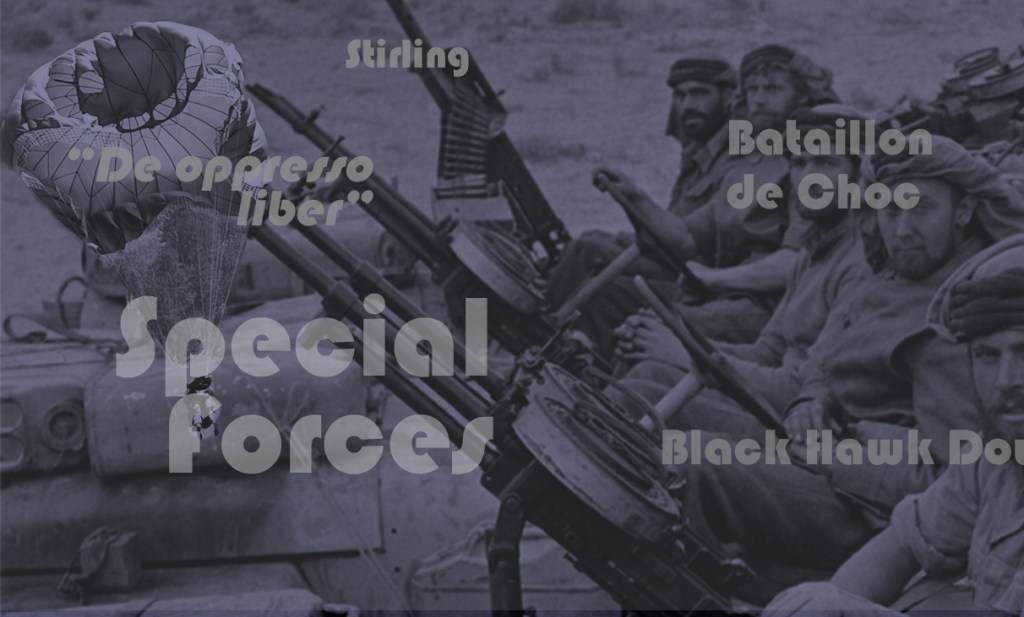
The origin of modern special forces units can be traced back to various historical events and the evolving needs of warfare. While specialized units with unique training and missions have existed throughout history, the concept of modern special forces as we know them today began to take shape in the 20th century. Here are some key points in the origin and development of modern special forces units:
World War I
- Specialized Units: During World War I, various countries began to form specialized units for specific tasks, such as trench raiding, reconnaissance, and sabotage.
- British Army: The British Army’s “Special Brigade” was one such unit, tasked with conducting trench raids and unconventional operations.
- German Stormtroopers: The German Army developed “Sturmtruppen” or stormtroopers, elite assault units trained for rapid infiltration and close-quarters combat.
World War II
- British Commandos: In 1940, the British established the first modern special forces unit known as the Commandos. These were elite units trained in amphibious warfare, raiding, and unconventional tactics.
- Office of Strategic Services (OSS): The United States created the OSS in 1942, which served as the precursor to the CIA and included special operations units. The OSS conducted espionage, sabotage, and guerrilla warfare behind enemy lines.
- Long Range Desert Group (LRDG): Formed in 1940, the LRDG was a British reconnaissance and raiding unit operating in North Africa.
- Special Air Service (SAS): Established in 1941, the SAS was a British Army unit specializing in reconnaissance, sabotage, and raiding. It played a significant role in behind-the-lines operations in North Africa and Europe.
Post-World War II
- Cold War Era: The Cold War era saw the further development and expansion of special forces units, driven by the need for unconventional warfare, counter-insurgency, and counter-terrorism capabilities.
- United States: The U.S. Army Special Forces, also known as the Green Berets, was officially formed in 1952. These units were designed for unconventional warfare, foreign internal defense, and special reconnaissance.
- United Kingdom: The SAS continued to evolve and expand its role during the Cold War, becoming one of the world’s most renowned special forces units.
- Other Countries: Many other countries developed their own special forces units during this period, including France (GIGN), Germany (GSG 9), Israel (Sayeret Matkal), and more.
Modern Era
- Global War on Terror: The events of 9/11 and the subsequent Global War on Terror led to the further expansion and deployment of special forces units.
- Afghanistan and Iraq: Special forces played a crucial role in the conflicts in Afghanistan and Iraq, conducting counter-terrorism operations, high-value target raids, and training local forces.
- Evolution of Tactics and Equipment: Special forces units continue to evolve, adopting new tactics, technologies, and equipment to meet the challenges of modern warfare, counter-terrorism, and unconventional threats.
Key Characteristics of Moder Era Special Forces
- Versatility: Special forces are trained to operate in a variety of environments and conduct a range of missions, from direct action raids to humanitarian assistance.
- Specialized Training: Special forces undergo rigorous and specialized training in marksmanship, close-quarters combat, language skills, survival, and more.
- Stealth and Mobility: Special forces emphasize stealth, surprise, and rapid mobility, often using advanced techniques and equipment for infiltration and exfiltration.
- Interoperability: Many special forces units operate in joint environments, working closely with other branches of the military and international partners.
The origin and evolution of modern special forces units reflect the changing nature of warfare and the need for highly trained, adaptable forces capable of carrying out missions in diverse and challenging environments. Special forces continue to play a crucial role in contemporary military operations, counter-terrorism efforts, and global security.
Learn More
- Warrior Elite 31 Heroic Special-Ops Missions from the Raid on Son Tay to the Killing of Osama bin Laden by Nighel Cawthorne
- Churchill’s secret warriors: the explosive true story of the special forces desperadoes of WWII by Damien Lewis
- The Encyclopedia of the World’s Special Forces Tactics by Mike-Ryan, Chris Mann and Alexander Stilwell
- Combat Divers: An illustrated history of Special Forces divers by Michael G. Welham
- De Oppresso Liber: The Illustrated History of the U.S. Army Special Forces by Leroy Thompson
- The Jedburghs: The secret history of the allied special forces, France 1944 by Will Irwin
- SAS Rogue Heroes: The authorized wartime story by Ben Macintyre
- US Special Ops: The History, Weapons, and Missions of Elite Military Forces by Fred Pushies
- India’s Special Forces: History and Future of Special Forces by Prakash Katoch




 Battleground Archives
Leave a comment